
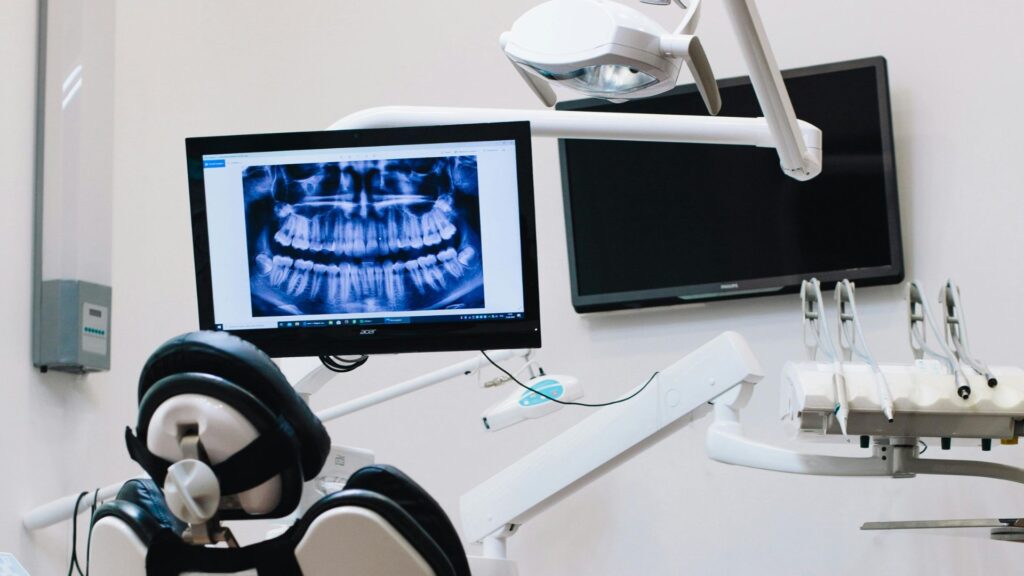
A medical office lease becomes significantly more complex once specialized equipment enters the equation. Practices working with a commercial real estate agent often discover that imaging systems, surgical infrastructure, and advanced treatment technology place demands on a property that standard office agreements rarely anticipate. Lease clauses tied to construction approvals, utility capacity, and restoration obligations can ultimately shape how efficiently the space operates long after the buildout is complete.
The Genau Group advises Washington, DC, healthcare tenants through lease negotiations that involve complex infrastructure planning, long-term occupancy strategy, and highly specialized space requirements. Our team works closely with medical and dental practices to evaluate properties, assess operational limitations, and align lease structure with future growth and equipment demands. Call us today at (202) 735-5382 to discuss your current space and explore strategic relocation options.
Below, we share five crucial lease clauses for specialized medical equipment installation:
1. Buildout and Tenant Improvement Clauses
Installing specialized medical equipment changes the construction process immediately. A practice planning around imaging systems, surgical infrastructure, or advanced dental technology may need floor reinforcement, dedicated utility routing, or expanded ventilation before equipment can even enter the space. Those requirements affect project scope early, which makes tenant improvement language one of the most financially important sections of the lease.
Construction authority also deserves close attention during negotiations. Some landlords retain extensive control over contractor selection, engineering approvals, and modification timelines, even after tenant improvement allowances have been agreed upon. When equipment installation depends on coordinated sequencing between architects, suppliers, and contractors, delays tied to approval procedures can disrupt both opening schedules and operational planning simultaneously.
2. Utility and Power Capacity Provisions
Specialized medical equipment places demands on a building that standard office infrastructure may not be prepared to handle. Imaging technology, sterilization systems, and treatment equipment often require dedicated electrical service or increased load capacity that only becomes apparent once engineering assessments begin. At that stage, the question shifts from whether the equipment fits physically into the suite to whether the property can support it operationally.
Lease language should define responsibility for utility upgrades before buildout planning advances too far. Transformer expansion, electrical service modifications, and mechanical system adjustments can all carry substantial costs depending on the age and configuration of the building. Without clear allocation of those responsibilities, tenants risk inheriting infrastructure expenses that were never anticipated during initial site selection.
3. Use Clauses and Regulatory Compliance
The permitted use section of a medical office lease influences far more than occupancy classification. Certain procedures, imaging capabilities, or treatment functions may trigger building restrictions, zoning limitations, or additional compliance standards that affect how the practice can operate within the space. Broad wording that appears flexible at first can later restrict equipment expansion or changes in service offerings.
Operational planning becomes especially important when layouts are designed around specialized patient flow and treatment sequencing. A detailed dental office floor plan, for example, may depend on plumbing locations, sterilization access, and imaging room placement that directly influence regulatory approval. Lease language that accommodates those realities from the outset creates significantly more flexibility as the practice evolves over time.
4. Lease Term Length and Renewal Options
Medical equipment installation changes the financial timeline of a lease agreement. Practices investing heavily in integrated systems, custom infrastructure, and specialized treatment areas rarely view occupancy as a short-term arrangement because relocation involves far more than moving furniture and reconnecting utilities. Long-term stability becomes essential once the space itself is built around the equipment.
Renewal provisions deserve equal consideration during negotiations. A practice nearing the end of its lease term may face substantial operational disruption if renewal rights were not secured clearly in advance. The cost of dismantling, transporting, and reinstalling highly specialized equipment often reshapes how tenants evaluate lease duration altogether.
5. Restoration and Exit Obligations

Exit clauses tend to receive attention only after years of occupancy have passed. By that point, medical suites may contain integrated imaging systems, reinforced treatment areas, custom utility infrastructure, and highly specialized buildouts that altered the original condition of the property substantially. Restoration obligations attached to those modifications can create major financial exposure during relocation.
Much of that risk comes from vague language rather than aggressive lease terms themselves. Requirements to “restore the premises” can carry very different meanings once medical equipment installation has reshaped the suite structurally and mechanically. Defining removal expectations, demolition responsibility, and reconstruction obligations with specificity allows tenants to understand the true long-term cost of occupancy before construction even begins.
Trust The Genau Group’s Washington, DC, Commercial Real Estate Agents
Medical office leasing requires a level of infrastructure planning and lease analysis that extends well beyond standard commercial transactions. The Genau Group’s commercial real estate agents work with healthcare tenants to evaluate operational requirements, negotiate strategic lease terms, and identify risks before construction begins in Washington, DC. Call us today at (202) 735-5382 to discuss your current space and explore strategic relocation options.